Quick answer: After retesting this year's field, our best VPN 2026 ranking puts NordVPN first for the best overall mix of speed, streaming access and price, with ExpressVPN close behind if you want the most polished apps and will pay for them. Surfshark is the budget-friendly pick for households, Proton VPN and Mullvad are the privacy-first options, and Windscribe offers the most generous free plan. One honest note before the rankings: a VPN protects far less than the ads claim, so we start with what it actually does — and when you can skip it entirely.
Every price below is the typical entry rate as of October 2026, rounded and hedged on purpose. VPN deals change monthly, so treat each number as a ballpark and check current pricing on the provider's own site before you buy.
One housekeeping note: this page is the linked guide that our whole VPN comparison series builds on. When a provider changes its prices or apps, this is the page we update first.
What a VPN Does — and What It Doesn't
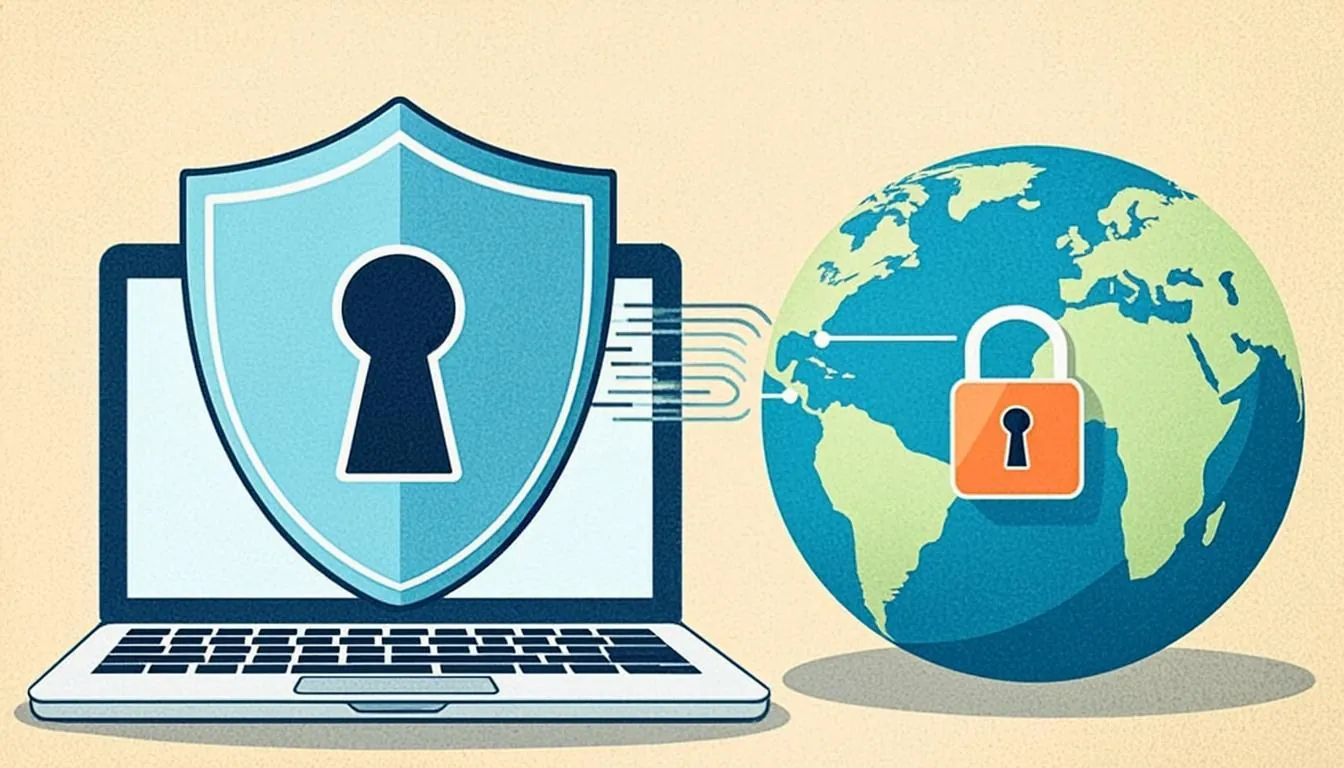
A VPN builds an encrypted tunnel between your device and a server run by the VPN company. That does two genuinely useful things: it hides which sites you visit from your internet provider, and it swaps your visible IP address for the server's. The second part is what unlocks streaming catalogs in other regions and softens location-based pricing.
What a VPN does not do matters just as much. It will not block viruses or phishing emails. It will not make you anonymous — you still log into Google, Amazon and your bank under your real identity, and those companies know exactly who you are. It also cannot stop a website from tracking you after you sign in, and it will not make a sketchy shopping site trustworthy.
Quick sanity check on a related myth: private or incognito browsing mode is not a VPN. It only stops your own browser from saving history and cookies on your device, while your internet provider and every site you visit still see what you are doing. The two get confused constantly, and that confusion is how VPN marketing gets away with implying things the product cannot deliver.
Knowing that boundary is the difference between using a VPN well and paying for a false sense of security. If malware and scam sites are your actual worry, a reputable antivirus matters more than any tunnel — a VPN is a privacy tool, not a security suite.
Best VPN 2026: The 7 Picks Worth Your Money
We ran the same connection checks through every provider from the same US locations, rechecked streaming access on the services readers ask about most, and worked through each refund policy line by line. Speed comments below are deliberately relative — VPN speeds swing too much day to day for exact numbers to mean anything.
1. NordVPN — Best Overall
NordVPN has been our default recommendation for a couple of years, and this retest didn't change that. Speeds on its WireGuard-based NordLynx protocol sat at or near the top of the group, access to US streaming catalogs was the most consistent of any provider we checked, and the apps are simple enough that a non-technical relative could use them without calling you. The server network is enormous, which matters more than the marketing suggests — crowded servers are usually why a VPN feels slow, and NordVPN has enough capacity to avoid that problem.
Pricing works like most VPNs: intro terms start around $3 per month on the longest plans, then renewal rates jump sharply, so read the term length before you check out. There's a 30-day money-back guarantee, and getting your money back is realistic — but it's an email and chat process rather than a one-click cancel. Our review covers the purchase decision in depth in our is NordVPN worth it guide, and the exact refund steps are in our walkthrough of how to cancel NordVPN for a refund if you change your mind. Current plan terms are on NordVPN's official site. The main downsides: aggressive upsells at checkout and that renewal jump.
2. ExpressVPN — The Most Polished Apps
ExpressVPN is the pick for people who want everything to just work. Its apps are the cleanest in the group, the in-house Lightway protocol connects fast and holds a connection through network switches better than most, and it's the one we'd hand to a frequent traveler who also installs it on a router. Streaming access was every bit as reliable as NordVPN's in our checks, across every location we tested from.
You pay for the polish: entry pricing runs from about $7 per month on the longest plans, and the shorter plans cost meaningfully more. The 30-day refund policy is honored without drama — our straightforward cancellation request was approved within a day. If you're torn between the two big names, our ExpressVPN vs NordVPN comparison covers the differences that actually matter to daily use rather than the spec-sheet ones. Full plan details are on ExpressVPN's official site.
3. Surfshark — Best for Unlimited Devices
Surfshark's hook is simple: one subscription covers unlimited simultaneous devices, which makes it the logical pick for a household of streamers, gamers and phone-addled teenagers. Intro pricing is among the cheapest here — around $2 to $3 per month on long terms — speeds held up well in our checks, and the built-in CleanWeb ad blocker is a pleasant bonus. The trade-offs are familiar by now: renewal pricing jumps harder than most, and the apps occasionally nudge you toward add-ons you don't need. As a whole-house VPN at a family-friendly price, though, nothing else here competes. It's also one of the few budget providers still bundling a tracker and ad blocker without charging extra for it.
4. Proton VPN — Best for Privacy, With a Free Tier That Respects You
Proton comes from the team behind Proton Mail, and it shows. The apps are open source, the no-logs policy has been independently audited, and the company is based in Switzerland — the full privacy resume. Unusually for a big-name VPN, the free tier has no data cap and no ads, though it limits you to a few server locations and doesn't prioritize streaming. Paid plans start around $4 to $5 per month and add faster servers, Secure Core routing and many more locations; details are on Proton VPN's official site. The honest knock: it's a privacy company first and an entertainment tool second, so streaming on the free tier is hit-or-miss.
5. Mullvad — Best for Anonymity
Mullvad is the most radically private VPN on this list. There's no email signup — you get a random numbered account, pay a flat price of about 5 euros per month forever, and can even pay in cash by mail. It collects nothing it doesn't need, and its track record under real-world pressure is the reason privacy researchers keep recommending it. WireGuard speeds were excellent in our checks. The cost of that philosophy: no long-term discounts, an app that's utilitarian to a fault, and streaming catalogs that mostly reject its IP addresses. For journalists and privacy purists, nothing else here comes close; for movie night, pick NordVPN or ExpressVPN instead.
6. Windscribe — Best Flexible Free Plan
Windscribe's free plan gives you around 10GB of data per month once you confirm an email address, plus a decent spread of server locations — enough to actually protect a laptop, not just sample the product. The paid tier starts around $5 to $9 per month depending on the plan, and the build-your-own-plan option is a genuinely nice touch if you only need a few locations. Free-server speeds vary by location and time of day, which is the classic free-tier compromise. If your budget is strictly zero, our guide to the best free VPNs compares the honest free tiers — including this one — in detail.
7. Private Internet Access — Best Cheap Long-Term Deal
Private Internet Access, or PIA, is the value play for people ready to commit. Its no-logs claims have been tested in real court cases rather than just marketing copy, the apps are open source, and the long-term plans regularly dip to around $2 per month. The server count is enormous. On the minus side, PIA is US-based (some buyers prefer a non-US jurisdiction), streaming performance was the least consistent of the top picks in our checks, and renewal pricing climbs like everyone else's. For a cheap VPN you set once and forget about, it gets the job done.
The 7 Best VPNs at a Glance
Here's the compact version, with the caveats we'd want to know before buying:
| VPN | Best for | Typical entry price | Refund policy | Main catch |
|---|---|---|---|---|
| NordVPN | Best overall: speed, streaming, apps | Around $3/mo on long intro terms | 30 days | Renewal price jump |
| ExpressVPN | Polish, travel, router setups | About $7/mo on longest plans | 30 days | Priciest of the group |
| Surfshark | Unlimited devices, families | Around $2-3/mo intro terms | 30 days | Big renewal jump, upsells |
| Proton VPN | Privacy plus a real free tier | About $4-5/mo | 30 days on paid plans | Streaming is hit-or-miss on free |
| Mullvad | True anonymity, flat pricing | About 5 EUR/mo, always | Check current policy | Poor for streaming |
| Windscribe | Most usable free plan | Free tier; Pro from about $5-9/mo | Check current policy | Free-tier data cap |
| Private Internet Access | Cheapest long-term commitment | Around $2/mo intro terms | 30 days | US jurisdiction, uneven streaming |
How We Tested These VPNs
We installed every provider's apps on the same Windows laptop and the same phone, ran the same connection checks from the same locations, and compared relative performance rather than absolute numbers — a VPN that's fast on Tuesday can be mediocre on Friday, so precise speed tables mostly measure the day, not the product. Streaming checks used the catalogs readers actually ask about. We also read every provider's refund terms and, where the refund was part of the recommendation, worked through the cancellation process ourselves to confirm it isn't a maze. Nothing here is sponsored, and no provider sees our rankings before you do.
When You Honestly Don't Need a VPN
Most of the time, for most people. If you're browsing and banking at home on your own network, a VPN adds little — your traffic is already encrypted by HTTPS, and logging into your bank through a commercial VPN can even trigger fraud flags. The "VPNs get you cheaper flights" trick resurfaces every year, but the savings are rare and unpredictable enough that we wouldn't build a subscription around it.
A VPN genuinely earns its keep in a handful of situations: heavy use of public Wi-Fi at cafes, airports and hotels; travel; accessing streaming catalogs from other regions; torrenting; and keeping your browsing history away from an internet provider that monetizes it. If two or three of those describe you, one of the picks above will pay for itself quickly. If none of them do, canceling an unused subscription is the most cost-effective privacy move you can make this month.
Two more honest notes: a free VPN is fine when it comes from a reputable company like Proton or Windscribe, but anonymous free VPNs often monetize your data, which defeats the entire purpose. And no VPN replaces basic habits — unique passwords, two-factor authentication and mild skepticism about links will protect you more than any tunnel ever will.
The Bottom Line
For most people, NordVPN is the best VPN 2026 has to offer: fast enough that you'll forget it's running, the most reliable streaming access we tested, and pricing that's reasonable if you commit to a long term and set a reminder before renewal. ExpressVPN is worth the premium if app polish and travel reliability top your list, Surfshark covers a whole household for pocket change, and Proton VPN or Mullvad are the picks when privacy outranks convenience. And if none of those use cases fit your life, that's a valid answer too — the most honest VPN recommendation is that plenty of people don't need one at all.